
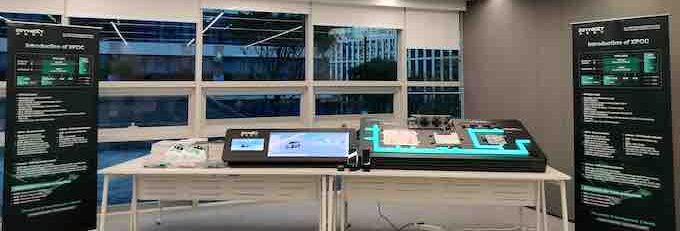
In a move toward the future of automotive electronics, JOYNEXT presented its new “nCCU series” of central computing units during a tech showcase held at Hyundai Motor Company’s global headquarters in South Korea on 17 November 2025. The firm highlighted a modular, high-integration solution designed to unify functions including intelligent cockpit, autonomous driving, connectivity and body control—an architecture built for the next era of software-defined vehicles.
The nCCU series is engineered to replace traditional distributed electronic control units (ECUs) with a centralised computing platform, offering flexibility and scalability across vehicle domains. According to JOYNEXT, the architecture enables seamless coordination between driving and cockpit functions, integrating capabilities such as local plus cloud-based AI large-model support, 5G communication with integrated RF and antenna modules, full-stack digital key solutions and semi-automated driving features like highway Navigation on Autopilot (NOA) and lane-keeping assistance. With this, JOYNEXT aims to tap growing demand from automakers for cost-effective, scalable central computing platforms ready for global mass production.
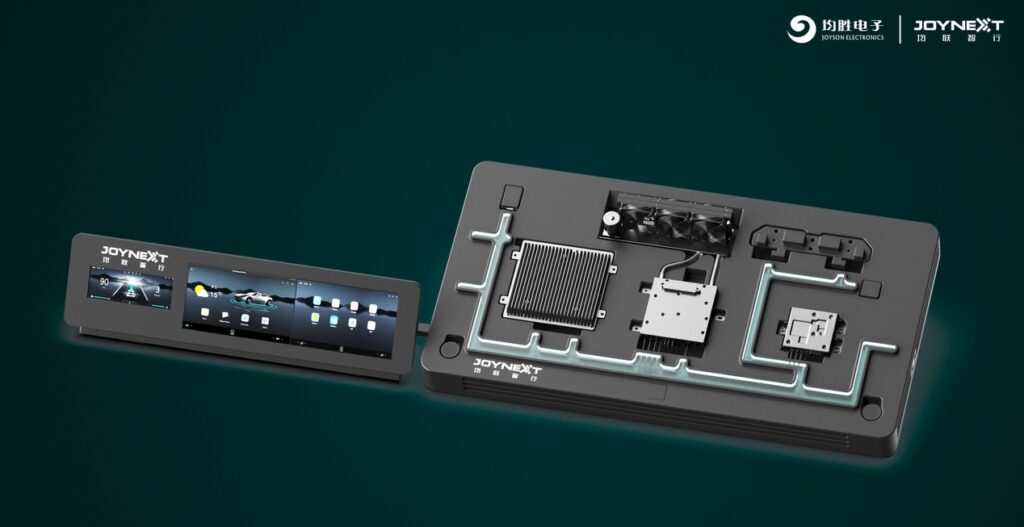
The shift to central computing units marks a strategic pivot for the industry as vehicle maker value moves from hardware to software. By offering one platform with fewer control units and a uniform safety and update framework, JOYNEXT envisions shorter development cycles, fewer variant systems and improved over-the-air update capability. The company sees this as enabling OEMs to build software-defined vehicles more rapidly and effectively. The showcase at Hyundai underscores JOYNEXT’s ambition to partner with global car-makers and supply the next-generation architecture for high-volume production across regions. As the automotive sector accelerates toward electrification, connectivity and autonomy, central computing platforms such as the nCCU series could become the backbone of tomorrow’s smart vehicle ecosystems.
News source: Joynext