
24th March 2026
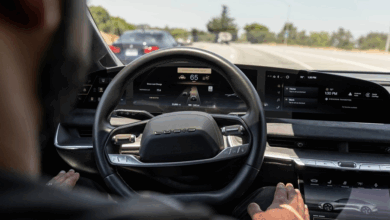
Mobileye has secured a significant production program with a leading U.S. automaker to integrate its advanced Driver Monitoring System (DMS) into future vehicle models, marking a major step forward in in-cabin safety technology. The system will be powered by Mobileye’s next-generation EyeQ6L chip, with production expected to begin in 2027 and scale across millions of vehicles over multiple model years.
The new agreement expands an existing advanced driver-assistance system (ADAS) partnership, highlighting growing demand for smarter safety features that go beyond traditional sensors. Mobileye’s DMS technology combines driver gaze tracking with real-time road context captured through external cameras, enabling the system to detect distraction or inattention more accurately than conventional cabin-only monitoring solutions. This capability is becoming increasingly important as vehicles move toward higher levels of automation, where maintaining driver engagement remains critical for safety.
The deal is expected to cover a wide range of vehicle segments, reinforcing Mobileye’s position as a key supplier of ADAS and autonomous driving technologies globally. With over 230 million vehicles already equipped with its EyeQ chips, the company continues to build momentum as automakers race to enhance safety, meet evolving regulatory standards, and prepare for semi-autonomous and autonomous driving features.
Beyond immediate safety benefits, the partnership reflects a broader industry shift toward intelligent, software-driven vehicle systems. As regulations such as upcoming safety assessment protocols push for more advanced driver monitoring capabilities, solutions like Mobileye’s DMS are set to become standard in next-generation vehicles. Overall, this development underscores how automakers are increasingly investing in technologies that not only assist drivers but actively ensure they remain attentive bridging the gap between today’s driver-assist systems and the fully autonomous vehicles of the future.