
11 February 2026
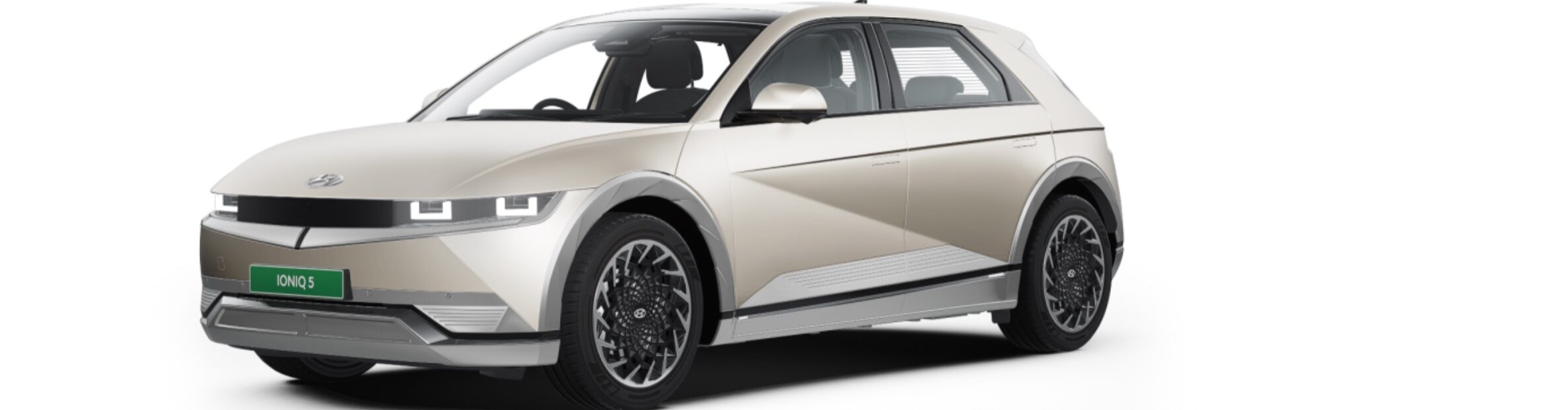
South Korea’s Hyundai Motor Company is reportedly poised to supply as many as 50,000 autonomous vehicles to Waymo, the self-driving car subsidiary of Alphabet, in what could become one of the largest vehicle supply agreements in the autonomous driving era. According to multiple industry reports and conversations with people familiar with the discussions, Hyundai and Waymo are in talks over a multi-year deal that would see Hyundai’s electric IONIQ 5 platform integrated with Waymo’s fully autonomous technology and delivered in significant volume over the coming years — potentially by 2028. This move signals a massive shift in how automotive manufacturers and autonomous tech leaders are collaborating to scale robotaxi and autonomous ride-hailing services beyond pilot programs and into industrial-scale deployment across major global markets.
Under this partnership framework, Hyundai’s IONIQ 5 electric SUVs — built on its flexible E-GMP architecture — would be produced specifically for integration with Waymo’s autonomous driving stack, often referred to as the “Waymo Driver.” The strategic alignment builds on a broader collaboration first established in late 2024 when Hyundai announced a multi-year partnership to embed Waymo’s sixth-generation autonomous driving technology into its all-electric vehicles. Experts say allocating up to 50,000 units for Waymo could mean a potential order worth approximately $2.5 billion, once the vehicles are fully outfitted with autonomous sensors and systems, although exact contract details are still emerging.
For Hyundai, this potential deal marks a significant transformation from pure vehicle manufacturing toward what some industry analysts describe as “physical AI” — the convergence of artificial intelligence and real-world machine systems such as autonomous vehicles, robotics and intelligent mobility platforms. Hyundai’s executive leadership has increasingly emphasized its pivot toward AI-driven technologies and robotics platforms, in part through strategic investments with partners such as NVIDIA and by expanding its autonomous driving ventures like its U.S.-based joint ventures. Under this broader vision, Hyundai aims to evolve from traditional automotive OEM into a provider of autonomous vehicle hardware at scale, aligning with Waymo’s global ambitions to expand its autonomous fleet presence beyond current markets.
For Waymo — a leader in commercial robotaxi services that already operates thousands of autonomous vehicles in cities like Phoenix, Austin, and San Francisco — securing a large-scale supply partner could be critical in reducing costs and accelerating fleet expansion. With recent news that Waymo has launched fully autonomous taxi services in locations such as Nashville and is eyeing further domestic and international expansion, a stable supply of EV platforms from Hyundai could underpin the next phase of growth for the Waymo One service.
However, industry watchers caution that negotiations are still ongoing and not yet finalized, and the scale of such a deal will depend on regulatory approvals, technical integration success and evolving market demand. Still, the talks alone underscore how autonomous vehicles — particularly robotaxis — are shifting from experimental labs to large-scale manufacturing strategies driven by deeper cooperation between traditional automakers and autonomous tech innovators.


