
17 December 2025
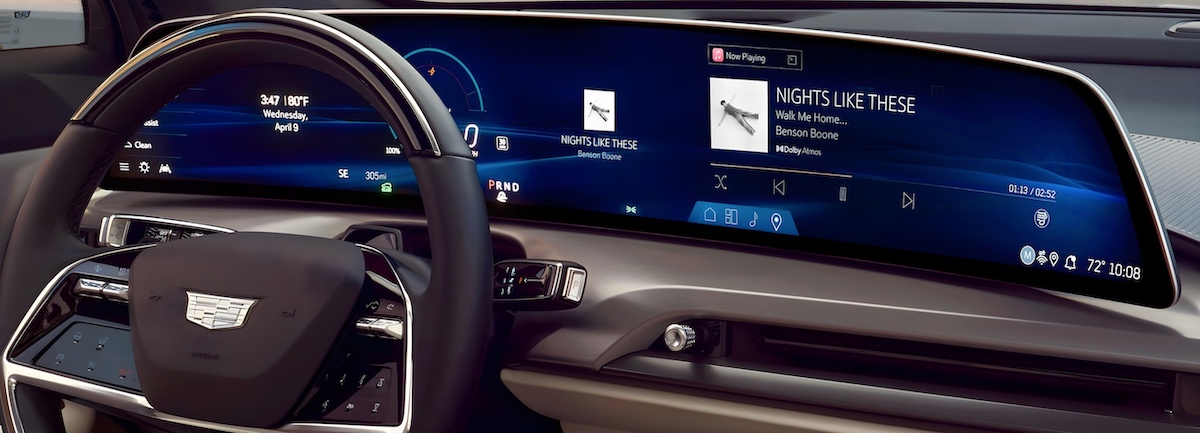
General Motors has just taken a major step in redefining the in-car digital entertainment experience by striking a wide-ranging deal with Apple to bring the Apple Music app directly into its vehicle infotainment systems — no smartphone required. This move comes as GM phases out traditional smartphone integration technologies, such as Apple CarPlay and Android Auto, and is part of a broader strategy to make its software and services a more central part of the driving experience.
Starting now, the Apple Music app is rolling out natively on select 2025 and newer Cadillac and Chevrolet models through an over-the-air software update. That means drivers of these vehicles can stream millions of songs, personalized playlists, on-demand content, and live global radio straight from the car’s infotainment screen — no phone connection via Bluetooth or USB needed. GM confirmed the rollout will expand to other brands like Buick and GMC soon.
For Cadillac customers, the integration goes even further with support for Spatial Audio with Dolby Atmos on equipped models. This technology creates a richer, three-dimensional sound environment tailored to the vehicle’s acoustics, offering what GM calls a “studio-grade” listening experience on wheels.
One of the most notable perks of this partnership is how GM is handling connectivity. The company is including audio streaming at no additional connectivity cost through its OnStar Basics service for eight years for all eligible new vehicles purchased in the U.S. and Canada. That means owners can stream Apple Music, podcasts, and other audio services without adding a separate data plan, at least for the included period.
This built-in Apple Music rollout covers a swath of popular models already on the road or arriving soon. Key Cadillac vehicles like the CT5, Escalade IQ, and Vistiq will see the feature first, alongside Chevrolet models including the Blazer EV, Equinox EV, Corvette, Suburban and Tahoe. More models, including newer releases like the 2027 Chevrolet Bolt, are slated to receive support in the future.
The news follows GM’s controversial decision earlier this year to drop support for Apple CarPlay and Android Auto in many of its new models — a move that drew criticism from tech-savvy buyers who see smartphone integration as a must-have feature. By embedding an app like Apple Music directly into the vehicle’s infotainment platform, GM aims to soften that transition and give owners a reason to embrace its native software environment.
Industry observers note this shift is part of a larger trend in the automotive world: manufacturers are increasingly trying to own more of the in-car digital ecosystem, from navigation and media to voice assistants and vehicle controls. By partnering with Apple and integrating a major third-party service on its own terms, GM is signaling that cars of the future will rely less on smartphone projection standards and more on built-in experiences that leverage vehicle hardware and connectivity directly.
For drivers, this means less fumbling with phone cables and mirrored screens — and more seamless access to music and entertainment right from the dashboard. Whether it’s cruising down the highway or navigating daily commutes, the enhanced audio experience could become a key selling point for GM’s next generation of connected vehicles.
Source: news.gm.com