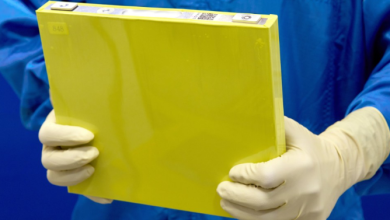
Chinese tech giant ByteDance is making waves beyond short videos — it is now stepping into the lithium-ion battery industry, backed by its AI and algorithmic strength. In a recent announcement, ByteDance revealed plans to build a 200 MWh energy storage microgrid, and has begun recruiting top battery R&D scientists to accelerate development in solid-state battery materials.
ByteDance’s move is no casual side project. Historically known for TikTok / Douyin and digital content, the company has quietly expanded into hardware and infrastructure domains. For example, it has explored car intelligence operating systems under its “Doubao” unit and expressed interest in smart devices like AI phones and cars. Its data, AI, and cloud assets could give it a competitive edge in optimizing battery chemistries, material screening, and system control — bridging digital and energy ecosystems.
In the context of automotive electrification, ByteDance’s entry matters. Battery and energy storage are core to EV viability. With its AI-driven R&D, ByteDance could shorten the time to discover new battery materials, improve efficiency, reduce costs, or develop smart battery management systems. Its 200 MWh microgrid project also hints at energy storage solutions that could support EV charging infrastructure or grid balancing.
Interestingly, ByteDance has already caught attention in the autonomous and mobility space. A press release posted on our site (TelematicsWire) had mentioned that ByteDance (via its ownership) was said to be investing in self-driving technology startups, underlining its broader ambitions in mobility and automotive tech.
If ByteDance successfully executes this pivot, it may become a unique player that combines AI, hardware, energy, and mobility. It could potentially supply smart battery systems to EV makers, power energy storage for grid and charging networks, and design integrated AI-battery solutions. Its success, however, depends on overcoming steep barriers in battery materials, manufacturing scale, and automotive industry trust.