
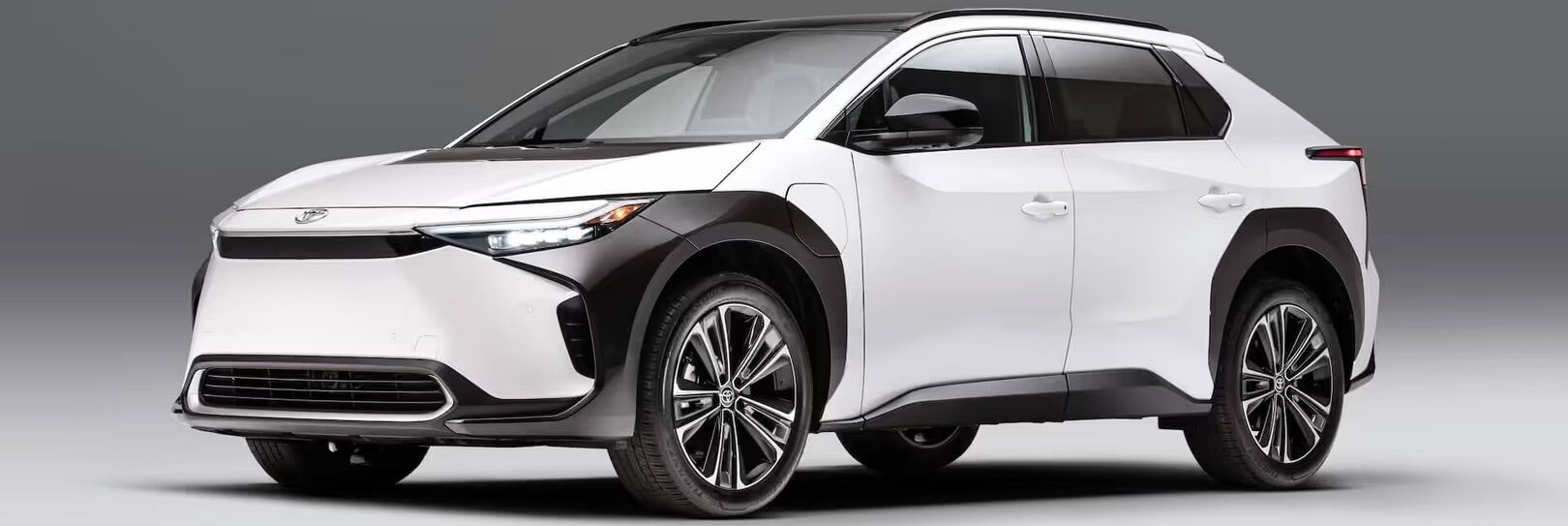
Toyota, Pony.ai begin mass production of bZ4X robotaxis for large-scale deployment

Press release, 11 February 2026
Automotive technology firms Pony.ai and Toyota have marked a major milestone in autonomous mobility by officially starting mass production of the bZ4X Robotaxi — an electric vehicle equipped to operate as a self-driving taxi. The first of these purpose-built robotaxis has now come off the assembly line at a joint venture plant in Guangzhou, China, where Toyota and Guangzhou Automobile Group (GAC) collaborate. This milestone accelerates the partners’ shared vision of commercialising autonomous ride services on a large scale.
The plan for 2026 is ambitious: more than 1,000 bZ4X Robotaxis are slated for production this year, with the vehicles to be gradually deployed into commercial robotaxi services across major Chinese Tier-1 cities such as Beijing, Shanghai, Guangzhou, and Shenzhen. This rollout supports Pony.ai’s wider expansion goal of operating a fleet of over 3,000 robotaxis by the end of the year. The bZ4X Robotaxi is the product of a long-standing collaboration between Pony.ai, Toyota Motor China, and GAC Toyota, combining Toyota’s vehicle manufacturing expertise with Pony.ai’s autonomous driving technology.
On the technology front, each bZ4X Robotaxi is equipped with Pony.ai’s seventh-generation (Gen-7) autonomous driving system, designed to meet automotive safety and reliability standards while reducing the cost of key components compared with earlier systems. This advanced self-driving suite, built from 100% automotive-grade components, delivers 360-degree perception and supports fully driverless operations in well-defined urban zones.
Beyond just scaling up robotaxi production, the Toyota-Pony.ai collaboration has embedded Toyota’s production philosophies — including its Toyota Production System (TPS) and core principles of Quality, Durability and Reliability (QDR) — into the manufacturing process. This integration aims to ensure consistent quality and safety as robotaxis transition from prototype and pilot phases into real-world commercial service.
The deployment of these bZ4X Robotaxis represents one of the most visible steps yet toward widespread autonomous ride-hailing services. Chinese cities are emerging as early leaders in robotaxi adoption, and this large-scale production push by Pony.ai and Toyota could help define the pace at which driverless taxis become a mainstream urban mobility option.


