

Press Release, 18 September 2025
It started as a crazy idea: take the high-voltage technology used in electric cars—and cram it into a motorcycle. Chennai-based startup Raptee.HV didn’t just pull it off—they’ve just become the first EV motorcycle OEM in India to secure strategic funding from the Technology Development Board (TDB), under the Government of India. This isn’t just money—it’s a message: Indian deep-tech electric mobility is ready to roar.
Why This Moment Matters
- Standing on a frontier. India’s EV revolution has focused a lot on scooters and incremental upgrades. Raptee.HV went deep: building car-level high-voltage architecture from the ground up. No borrowed parts, no cut corners. Six years of R&D, over 150 patents, full in-house electronics.
- Government giving confidence. Raptee.HV’s win is not just its own. TDB backing signals a shift in how India views swappable bikes, performance EVs, and the motorcycle segment’s electrification.
- Performance meets utility. This isn’t about slow, tinny bikes. Raptee.HV promises car-level performance, reliability & charging convenience. Because of that architecture, their motorcycles support CCS2 car-charging standard—letting riders tap into existing fast-charging networks.
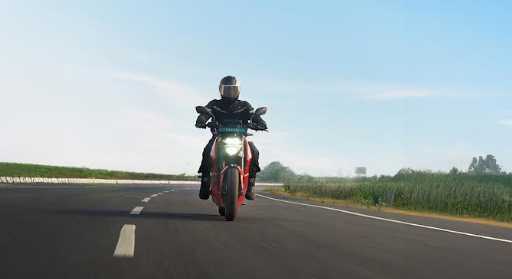
The Story Behind the Startup
Raptee.HV was founded in 2019 by Dinesh Arjun (a former Tesla engineer) and others with a clear mission: make electric two-wheelers that don’t feel like compromises. Over time, the company:
- Filed 156 patents, developed 100% of its electronics in-house, including PCBs for all critical subsystems.
- Built its high-voltage motorcycle tech over six years, rejecting the path of adapting existing low-voltage or ICE platforms.
- Won previous grants: for example, a ₹3.25 crore non-dilutive grant from ARAI-AMTIF in 2021.
What the New Funding Unlocks
With TDB’s strategic support, Raptee.HV can:
- Deepen R&D on its proprietary high-voltage architecture. This upgrades performance, enhances reliability, reduces charging times.
- Push into the USD 1 billion performance EV motorcycle segment. That’s big ambition—and the appetite is growing.
- Expand infrastructure & capacity: Raptee.HV already runs a 4.5-acre production facility in Chennai, with capacity for 100,000 units per year. They’ve secured 40 acres at SIPCOT, Cheyyar for future scaling.
A Larger Industry Impact
Let’s zoom out: what does Raptee.HV’s leap mean for India, riders & mobility?
- Motorcycles make up nearly two-thirds of India’s two-wheeler market. To hit the government’s target of ~30 % EV penetration by 2030 in two-wheelers, radical shifts—not just tweaks—are needed. Raptee.HV’s high-voltage approach is one of them.
- Their work helps push charging infrastructure usability forward. CCS2 standards, higher voltages = shorter charge times, more reliable performance. That eases one of the biggest pain points for EV adoption: range & charge anxiety.
- It encourages more government support. When startups get backing not just for products, but deep-tech R&D, it helps strengthen the entire ecosystem—suppliers, engineers, policy frameworks.
What’s Next & What to Watch
| Next Milestone | Why It’s Critical |
|---|---|
| Closing a USD 20 million Series A round | Needed to scale factories, bring costs down, reach more cities. (Autocar Pro) |
| Larger production & geographic reach | More bikes on roads = better visibility, more feedback, faster adoption. |
| Raising public awareness & trust | Electric performance must match expectations; rider reviews and experiences will be key. |
Ride or Be Left Behind: What It Means for You
If you’re:
- A commuter: think of how much savings & cleaner air you could enjoy.
- A delivery or logistics business: lowered operating cost, higher reliability, less downtime.
- A policy maker or investor: this is the kind of tech that can tip the scale.
Raptee.HV shows that India is not just “catching up” in electric mobility—it’s innovating from first principles.
Final Charge
Raptee.HV’s journey is a signal flare: performance EV motorcycles aren’t just a nice idea—they’re becoming a reality. With government backing, deep-tech R&D, and a vision that doesn’t compromise, the startup is helping shape a smarter, cleaner mobility future—for riders, businesses, cities.