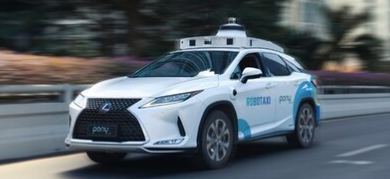
China’s CaoCao unveils bold robotaxi push. Can it rival Waymo and Uber?

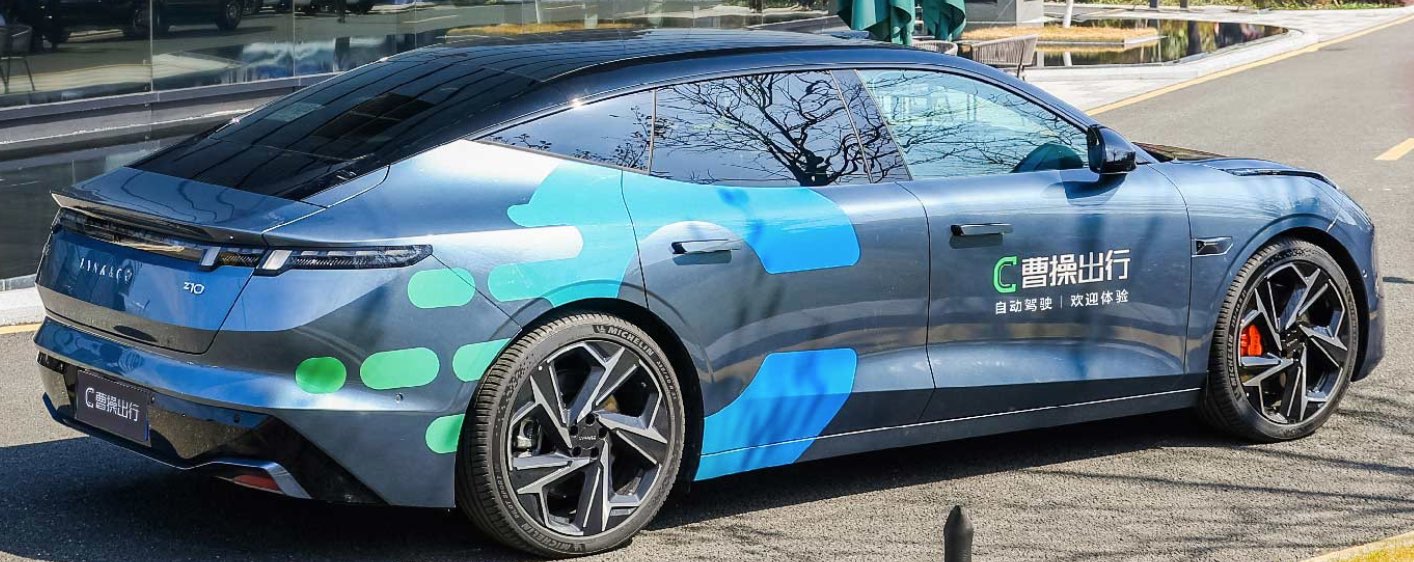
China’s mobility landscape just got a major jolt. CaoCao Inc., the autonomous mobility arm of Geely Holding Group, has unveiled one of the most ambitious robotaxi deployment strategies in the world — setting its sights on deploying 100,000 fully purpose-built autonomous taxis by 2030 and expanding its service far beyond China’s borders. The announcement was made at Geely’s 2026 global strategy briefing, and it represents a big step in the evolution of robotaxi services worldwide.
The bold target — to have a fleet of 100,000 next-generation robotaxis on the road in less than a decade — signals that China is not just competing in the autonomous mobility race, it’s aiming for a leadership role on the global stage. With Waymo, Cruise, Baidu’s Apollo Go and others already jockeying for position in North America, Europe and Asia, CaoCao’s plan adds serious pressure to these early incumbents.
From shared cars to autonomous fleets
CaoCao’s strategy builds on a decade of experience in ride-hailing and shared transportation, leveraging millions of trips, mature dispatch systems, and deep operational knowledge to fuel a transition into robotaxi services. The company has already launched pilot operations of its Robotaxi 2.0 fleet — a version that blends advanced autonomous management systems with real-world data from extensive ride operations.
Crucially, the company isn’t just retrofitting existing cars with sensors, it’s developing purpose-built robotaxis designed from the ground up for driverless operations. These bespoke vehicles are planned to be equipped with proprietary autonomous driving systems and smart infrastructure integration, reflecting the belief that tailored hardware — not aftermarket conversions — is the future of scalable autonomous fleets.
The launch vehicle for this initiative is being readied for public debut this year, and the firm’s engineers and planners are pushing forward with AI-powered fleet management platforms aimed at fully driverless services — a leap from the current hybrid model that still uses safety operators.
Can CaoCao compete with Waymo and Uber?
That’s the billion-dollar question — especially given the entrenched positions companies like Waymo (backed by Alphabet) and Uber (through partnerships and investments) have carved out in key regions. But CaoCao’s strategy shows several distinct advantages that could make it a formidable contender:
- Scale before others: The 100,000 robotaxi target dwarfs many existing competitor projections. Waymo, for example, has historically deployed thousands of vehicles in select U.S. cities, and industry insiders estimate peak fleets may hit mid-five digits by the end of the decade — significantly lower than CaoCao’s ambitions.
- Purpose-built vehicles: Instead of retrofitting existing cars, CaoCao’s custom platform could offer better integration of sensors, computing and passenger experience — a plus for reliability and service quality.
- Leverage of data and existing ride network: With years of ride-hailing data under its belt, CaoCao has a valuable repository of traffic patterns and rider behavior to train its autonomous systems — a practical edge that’s hard for newcomers to match overnight.
- Global expansion strategy: Plans to establish operations in overseas markets, including the Middle East, alongside local collaborations could create early footholds outside China ahead of some competitors.
On the other hand, Waymo and Uber benefit from years of regulatory experience in Western markets, extensive partnerships with automakers and tech providers, and established brand visibility in North America and Europe. Their deployments today may be smaller on paper, but they have critical insights into urban planning challenges, safety protocols and consumer adoption patterns that CaoCao will still need to master.
Beyond numbers: shaping the future of robotaxi services
What stands out in CaoCao’s vision is its holistic approach. The company is building Green Intelligent Mobility Hubs, physical infrastructure nodes that fuse transportation, energy and data systems, pointing to not just robotaxis, but a fully integrated mobility ecosystem. This infrastructure isn’t just about parking and charging — it encompasses everything from automated battery swaps and fleet servicing to intelligent operational support platforms.
The strategic memorandum with the Abu Dhabi Investment Office further highlights this ecosystem strategy, as CaoCao plans to bring its battery swap networks and mobility solutions into new markets — blending sustainable urban transport with drivers for local economic growth.
What this means for global autonomous mobility
While it’s too early to declare CaoCao the outright leader, its aggressive timeline and ground-up fleet strategy make it one of the most serious challengers to established robotaxi players like Waymo and Uber. The next few years will be pivotal — if CaoCao can meet its milestones, commercialize its technology at scale, and demonstrate safe, efficient operations across diverse urban environments, it could reshape expectations about who leads the autonomous driving revolution.
In a space where regulatory alignment, safety validation and technological robustness are paramount, CaoCao’s vision — with tens of thousands of robotaxis and a multi-continent footprint — could turn what was once seen as future fiction into a tangible global mobility reality.