Press Release, 23 January 2026
Cadence Design Systems has introduced its newest digital signal processor (DSP) the Tensilica HiFi iQ DSP a sixth-generation architecture built specifically to power the next wave of voice AI and immersive audio applications across consumer electronics, automotive infotainment, and smart devices. This latest offering is designed to meet rapidly growing demands for higher audio performance and advanced on-device AI processing, delivering significant improvements in compute power, AI capabilities and energy efficiency over its predecessor.
At the heart of the HiFi iQ DSP is a purpose-built architecture optimized for modern voice interfaces and sound experiences that go far beyond traditional audio playback. Compared with the earlier Tensilica HiFi 5s DSP, the new HiFi iQ delivers twice the raw computing power and up to eight times the AI performance, while still achieving more than 25 % energy savings on typical workloads. On popular immersive audio codecs, the DSP has demonstrated more than 40 % performance uplift enabling richer, more realistic audio environments with lower power draw, a critical advantage for mobile and embedded systems.
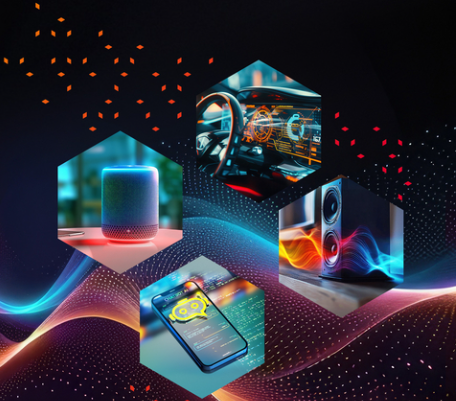
This performance leap is especially relevant as voice-based AI becomes a central way users interact with technology. The HiFi iQ DSP supports advanced features like natural language processing, keyword spotting, beamforming, active noise cancellation and multi-channel spatial audio. Its architecture also includes support for modern AI data formats such as FP8 and BF16, and is compatible with popular AI software frameworks and development environments like TensorFlow Lite for Micro and Cadence’s NeuroWeave SDK helping developers bring cutting-edge voice AI capabilities to market quicker.
In addition to standalone use, the HiFi iQ DSP can operate alongside neural processing units for even greater performance, and Cadence plans to pursue ISO 26262 functional safety certification to broaden its adoption in safety-critical applications such as automotive infotainment. The new DSP is slated to roll out to lead customers in early 2026, with general availability to follow.
Compiled using AI